Choose what the conversation is meant to accomplish
A roadmap conversation can gather feedback, explain direction, or answer a specific customer question. These are different purposes. State which one applies and what decisions are already made. If the team is seeking input, say how feedback can influence the work. If direction is approved but timing is uncertain, avoid inviting customers to negotiate a date the team cannot promise. Clear purpose helps the conversation feel collaborative rather than like a sales negotiation disguised as research.
A product lead meeting with administrators about reporting might want to explain that the team is exploring saved views and learn which workflow matters most. They should not present a draft timeline as an approved delivery schedule. The map can distinguish current capability, active exploration, and possible future direction. Customers can then offer relevant context without assuming that every idea will be built. The product lead should know which commercial commitments or account-specific needs require a separate owner.
Separate now, next, and possible
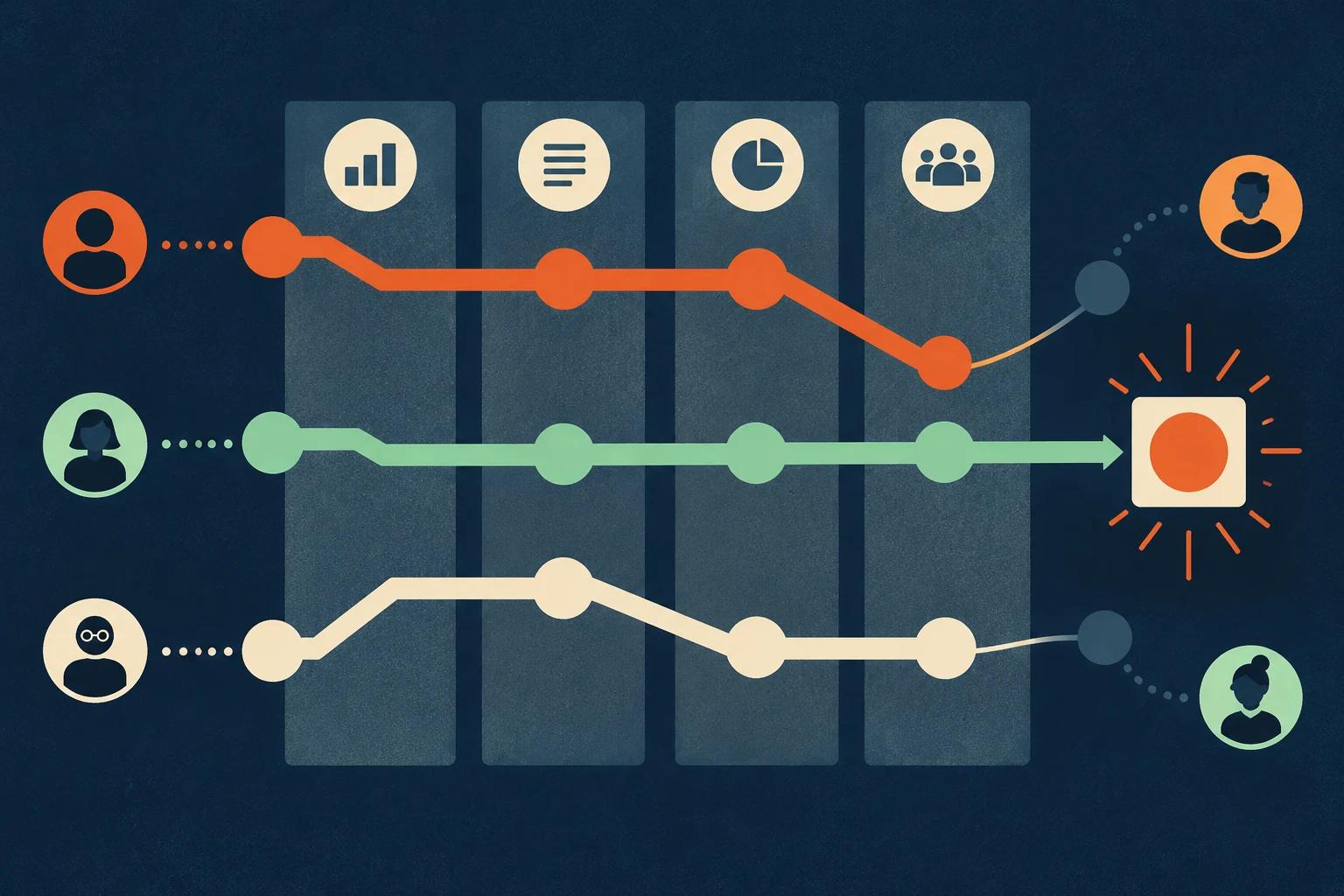
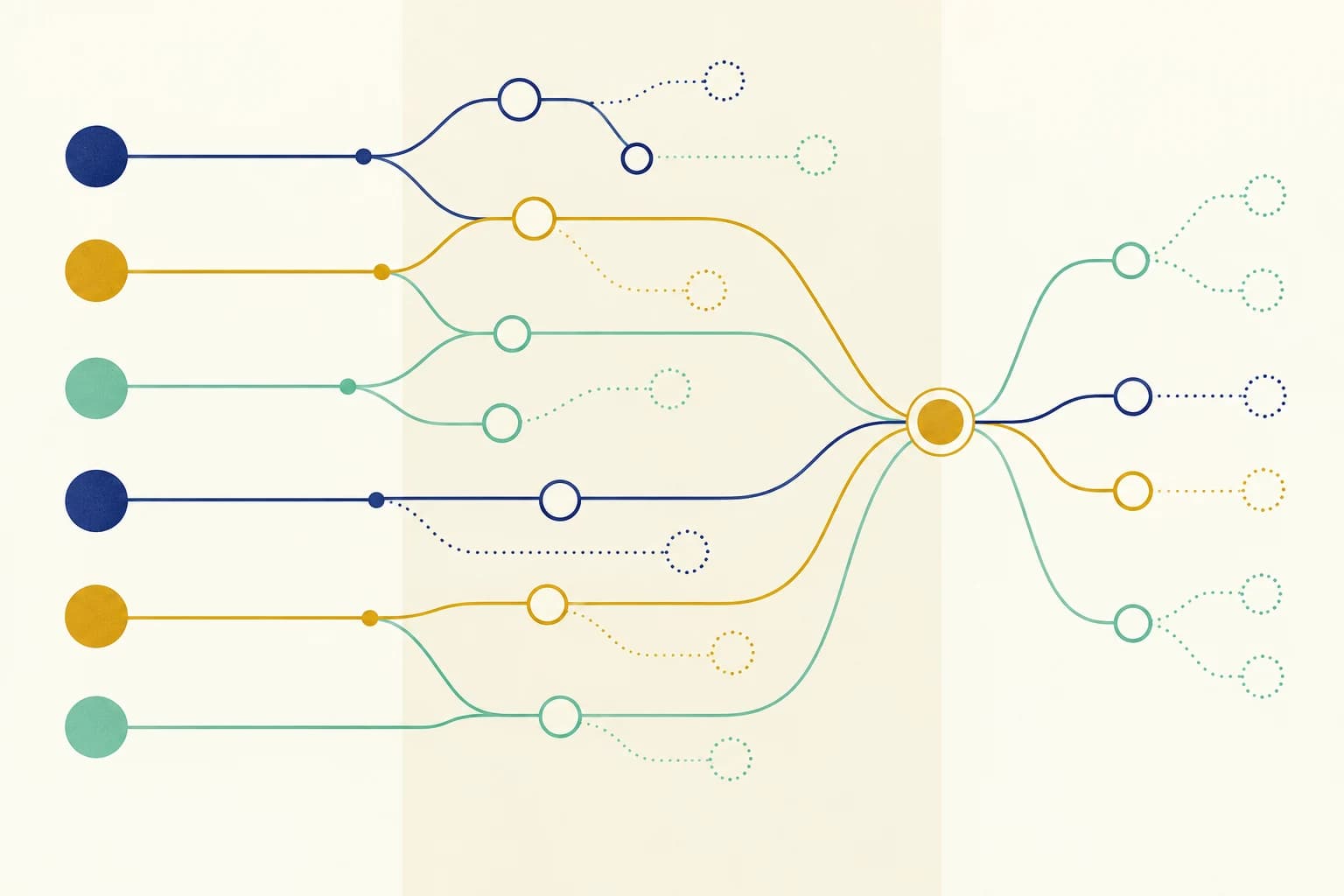
Use clear status language for work in production, committed work, active discovery, and long-term possibilities. Avoid a single column of date-labeled cards when confidence varies. A date can look like a promise even when the team intended it as an estimate. If timing must be shared, explain the condition behind it and who can confirm changes. Customers should be able to tell what they can rely on today.
For saved reports, the team might offer a basic filter today, be testing saved views with a small group, and consider scheduled delivery later. These are distinct states. A customer can plan around the current filter but should not assume the later idea has been funded. Keep the roadmap view scoped to what is appropriate to share. Internal dependencies or security details may require a private record. The public explanation can be honest without exposing information the customer does not need.
Explain why priorities connect to user problems
Customers are more likely to understand a roadmap when they can see the problem behind a priority. Describe the user group and workflow, then invite the customer to explain where their context differs. Do not imply that one customer’s request represents all users. If the organization uses limited capacity, explain the general decision criteria without revealing confidential customer comparisons.
The team may be exploring saved views because administrators repeat the same report setup each week. A customer might explain that their repeated work is actually caused by sharing reports across different roles. That information could change the research question. The product lead should capture it and say what follow-up is possible. A roadmap conversation is not only broadcast; it is a chance to test whether the team’s framing fits the customer’s reality.
Handle requests without negotiating in the moment
When a customer asks for a specific date or capability, acknowledge the need and distinguish what is known from what must be checked. If the request is tied to a contract or important account commitment, involve the authorized commercial owner. Do not improvise a promise to keep the conversation positive. A clear follow-up date for an answer is safer than an unsupported delivery date.
If a customer asks whether scheduled delivery will be available this quarter, the product lead can explain that it is under consideration but not committed. They can ask which workflow depends on it and offer to return with a verified status after product review. If the customer has a contractual requirement, the account owner should document it and confirm the commitment through the approved process. This preserves the relationship and gives the team room to make a responsible decision.
Invite useful feedback and close the loop
Ask questions that reveal constraints and tradeoffs: who needs the information, what decision follows, how often it is used, and what happens when the current route fails. Avoid asking customers to rank a list without understanding their work. Tell them how the feedback will be recorded and whether they should expect an individual response. If the team later changes direction, close the loop when appropriate.
For the reporting workflow, ask the customer to walk through the last time they prepared the report and show who consumed it. This may reveal that naming, permissions, or delivery timing matters more than filters. Capture the evidence and share a concise summary for correction. The product team should then decide whether the input changes research or priority. Feedback without a decision path can make customers feel used as an audience rather than heard as partners.