Start with how the recipient will use it
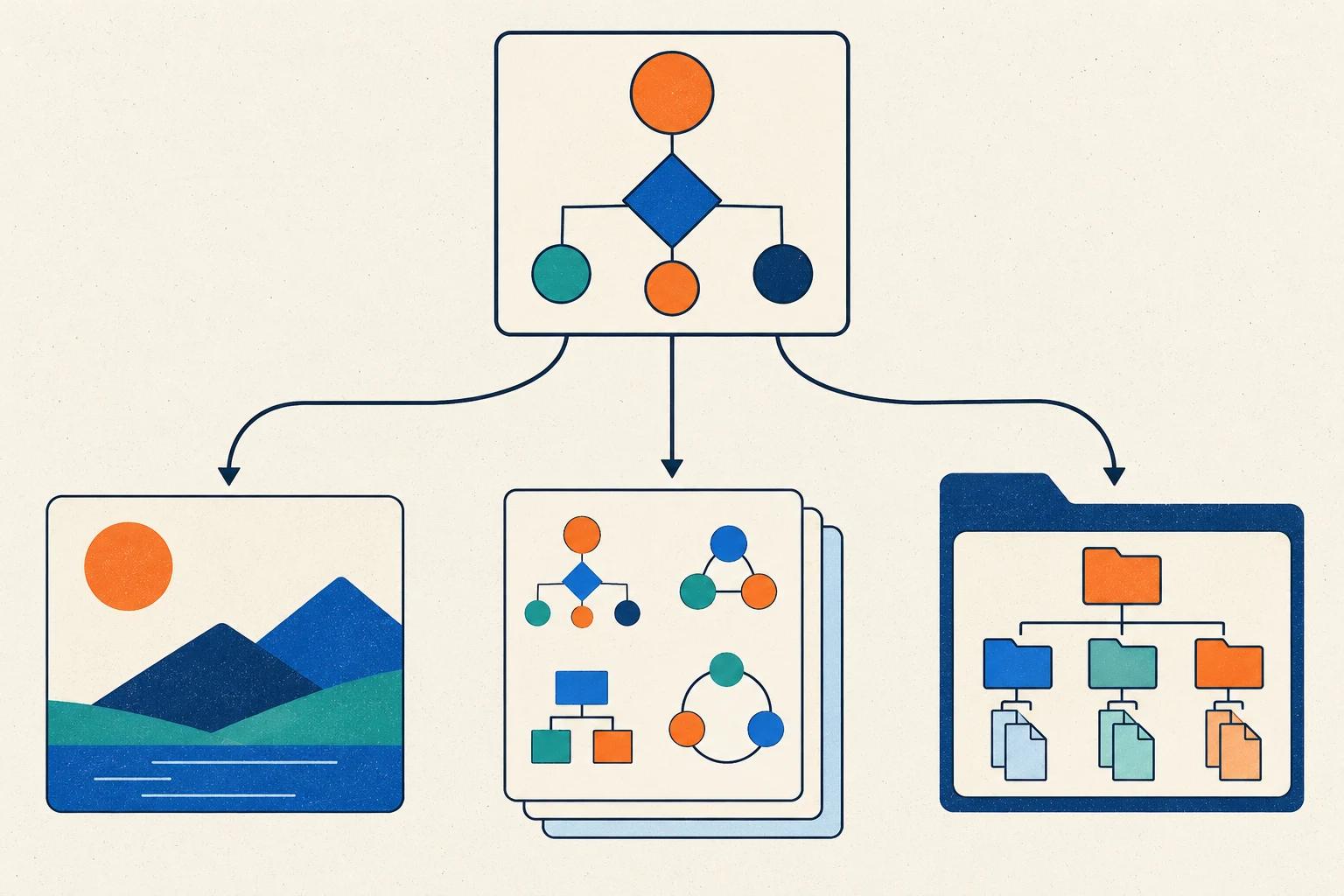
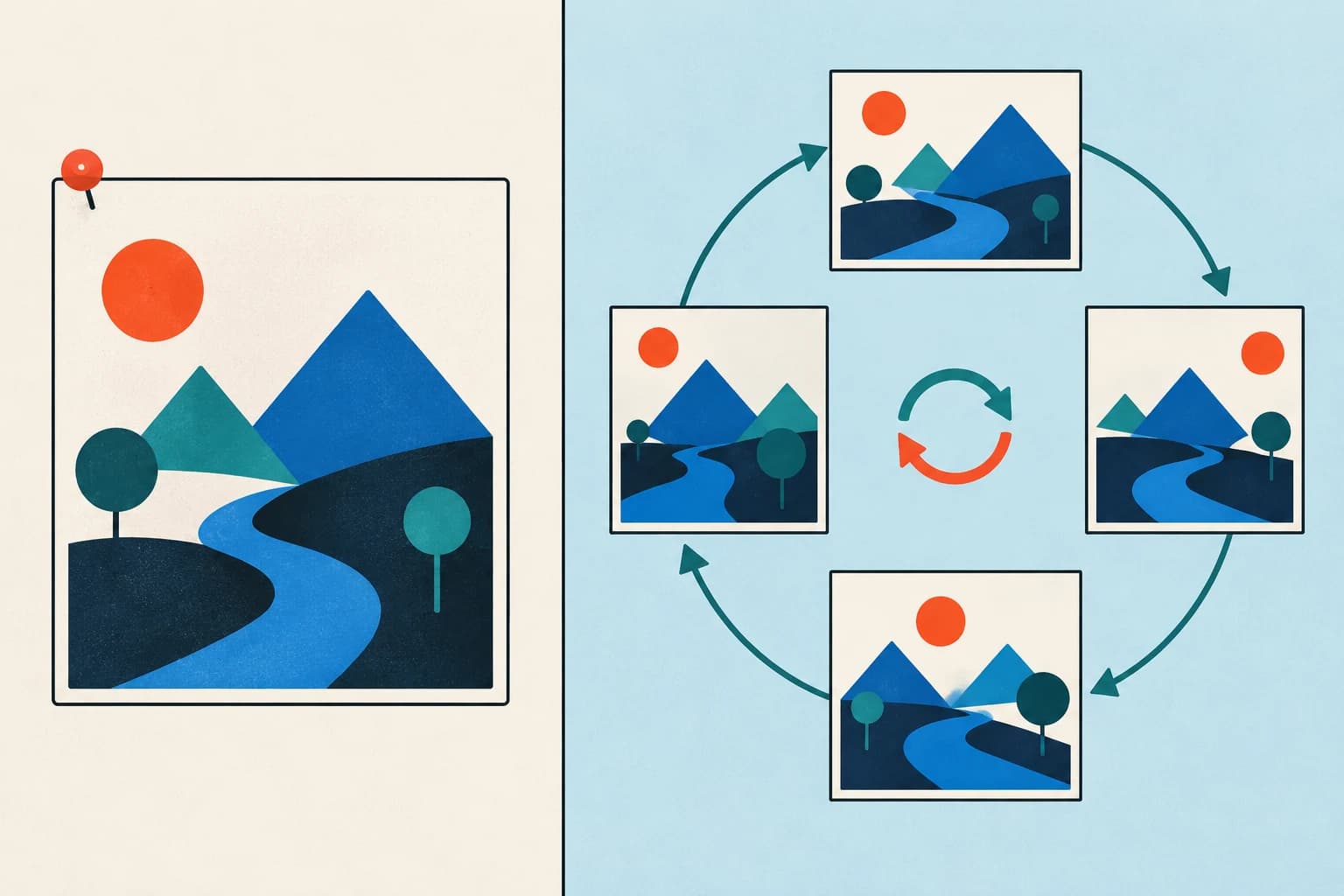
An image export works well when someone needs to place a diagram in a report, slide, or message. It is a fixed snapshot, which can be valuable when you need a stable record of what was approved at a particular time. A live share is better when viewers need to return to a board that may change.
Ask whether the recipient needs to inspect one diagram, view a set of related frames, or edit the source. A read-only share link lets people view a board without co-editing. If they need to make changes, provide an editable project through the appropriate account or file workflow instead.
Export a snapshot for a document
Choose SVG for vector scaling or PNG when a raster image is easier to place. A PowerPoint or PDF export can package the diagrams as slides or pages. Check the plan’s options for resolution, transparency, clean links, or marks, then inspect the file at its destination size.
Include a date or version in the filename when the image will serve as a record. If a process changes, the old image stays exactly as it was. That can help with audit trails, but it can also become stale; identify the owner and the date of the source information.
Match the access setting to the information
Before creating a link, check whether the board contains personal, customer, or internal information. Share only what the viewers should see, and use a password when an extra access barrier is appropriate. A password is not a substitute for removing details that recipients should not receive.
For a broad external audience, consider creating a separate board with only approved content. That makes the shared scope clearer and reduces the chance that a future internal edit exposes details. Revoke links that are no longer needed and review who has access to password-protected materials.
Tell readers what is current
A live link may show updated board content, while a downloaded image remains a point-in-time copy. Label the link’s purpose and tell readers whether the diagram is a draft, a current reference, or an approved snapshot. This distinction helps prevent viewers from treating every visual as final policy.
If readers need to make corrections, give them a route to contact the board owner. The read-only page supports viewing; the editable source remains under the owner’s control. Choose the sharing method that fits the trust, update, and revision needs of the people involved.