Define the change and the harm worth preventing
Risk review can become a broad brainstorm of everything that might go wrong. Start by defining the change, affected users, operating conditions, and the harms the review is meant to prevent. Include the risks of delaying or not making the change where relevant. Scope keeps the discussion practical and lets participants identify which expertise belongs in the room.
A company moving customer authentication to a new provider might affect sign-in, account recovery, and internal support tools. The risks include users losing access, support being unable to verify a request, or an integration failing during transition. The review should not expand into a general debate about every authentication architecture. It should focus on plausible paths created by this migration and the safeguards needed before the organization proceeds.
Walk through scenarios instead of naming categories
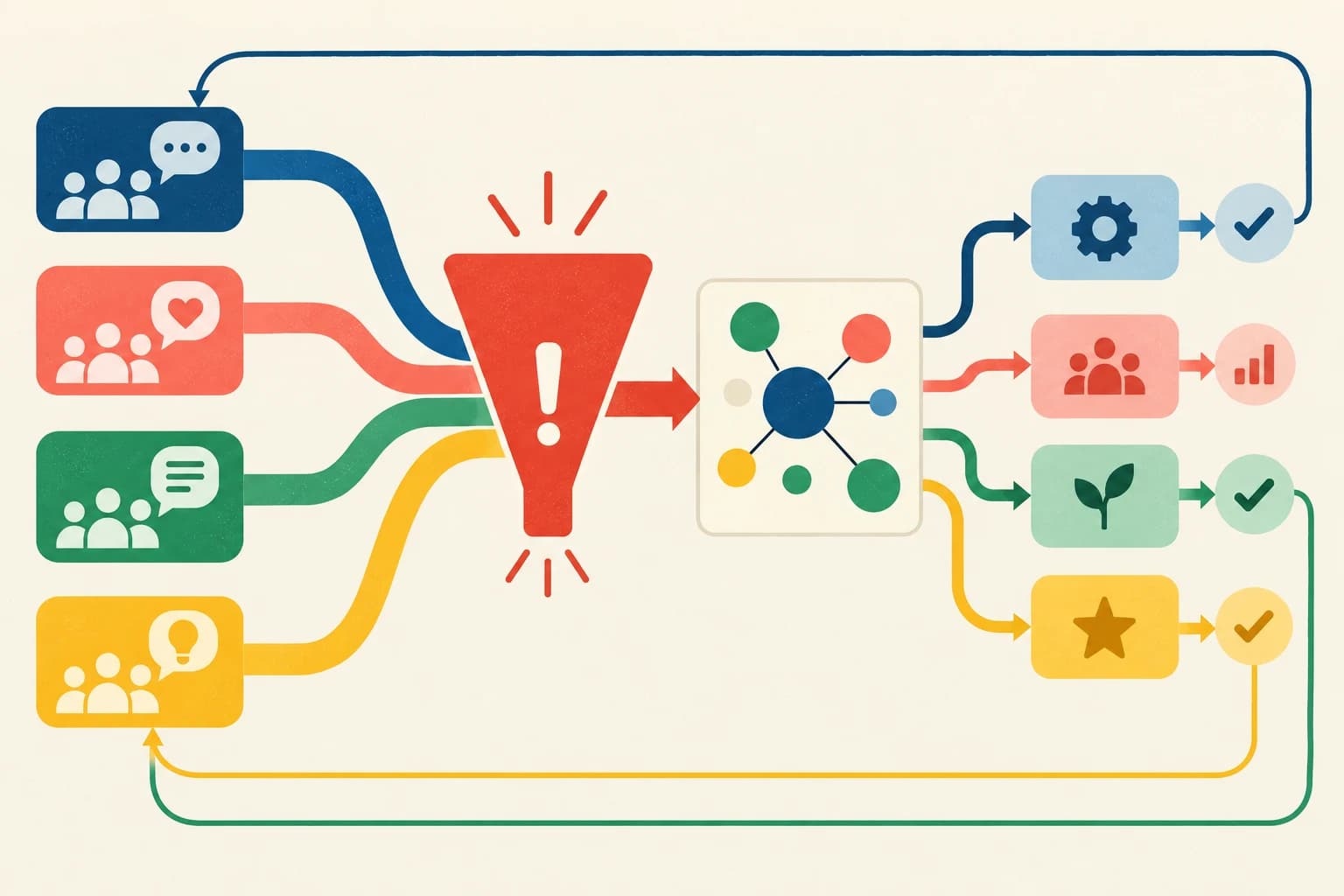
Labels such as “security risk” or “operational risk” are too broad to guide action. Walk through a scenario: what triggers the failure, who notices, what happens next, and who could be harmed. Identify existing controls and gaps. Invite participants to describe what they have seen in similar work, but distinguish precedent from proof that the same event will occur.
For account recovery, test the path where a user loses access during provider migration and the support agent sees conflicting identity details. What records are available? Can the agent pause the change? Who decides whether an alternate method is safe? This scenario exposes a control question that a generic “recovery risk” label misses. Document the conditions and response route. If the team cannot answer, assign a focused investigation rather than filling the map with speculative mitigations.
Compare severity, likelihood, and detectability carefully
Teams may use risk ratings, but numbers should not imply more certainty than the evidence allows. Define the scale and record the reasoning behind a rating. Consider harm, likelihood, duration, affected scope, and how quickly the issue can be detected. A rare, hard-to-reverse outcome can deserve attention even when its probability is uncertain. Keep disagreement visible if participants assess a scenario differently.
A brief sign-in interruption may be easy to detect and reverse, while incorrect account recovery could expose a user to a more serious harm and be harder to notice. The review should identify which case demands stronger safeguards and who can verify them. Do not average ratings until a severe concern disappears. A qualitative description may be more useful than a precise score if available data cannot support one. The aim is a reasoned choice about safeguards, not a mathematically impressive risk chart.
Assign controls and owners to failure paths
For each material scenario, name a control, its owner, and evidence that it works. Controls can prevent, detect, limit, or recover from a failure. “Monitor closely” is not enough unless the team says what signal to monitor and who responds. If the control depends on a separate team, confirm their agreement and capacity. Make residual risk visible rather than implying that a mitigation eliminates it entirely.
The migration plan might keep the old recovery route available during a staged rollout, require a tested support procedure, and monitor failed sign-ins by cohort. Each item has a different owner and purpose. The support procedure should be tested by someone with realistic permissions. The monitoring owner should know how to pause rollout if failure exceeds an approved threshold. State that no threshold can eliminate every account issue. This makes assurance evidence-based and operational rather than a list of reassuring intentions.
Include affected people and downstream teams
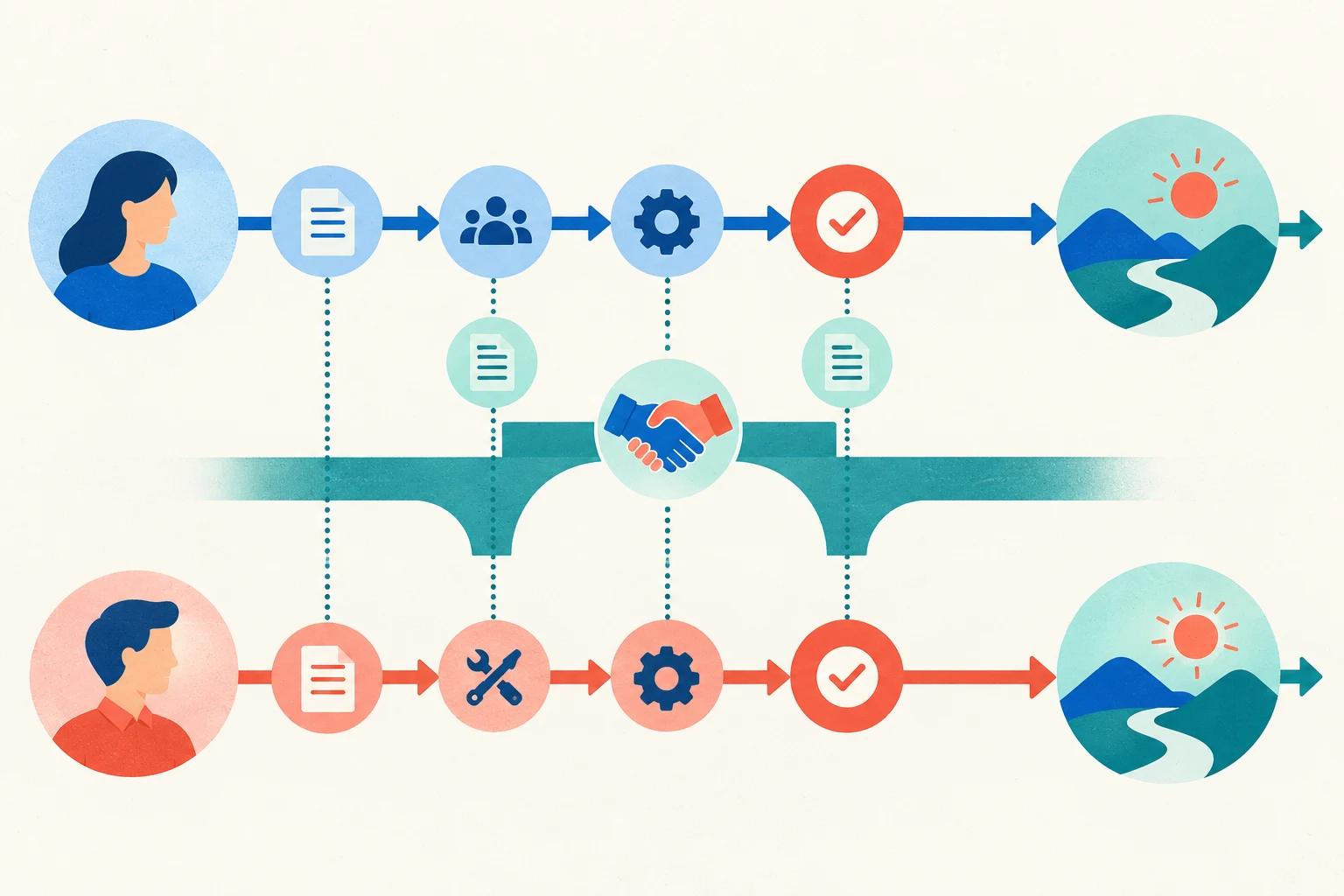
A technically sound change can shift work onto customer support, administrators, or users with accessibility needs. Include affected roles in the review and ask how they will experience the failure and mitigation. Consider vendor and downstream-system dependencies. If a group cannot attend, obtain its input and give someone responsibility for representing its constraints, then validate the assumptions with that group.
An authentication migration may work for desktop users but create a problem for employees who rely on an assistive technology or shared device. A support team may also see a temporary increase in recovery requests. Ask those groups to test the actual route and ensure the contingency is accessible. If the review cannot test every environment, identify the limitation and stage the rollout to learn safely. Cross-functional review is valuable because harm often appears at the boundary between systems and roles.
Make the go, pause, and revisit decisions explicit
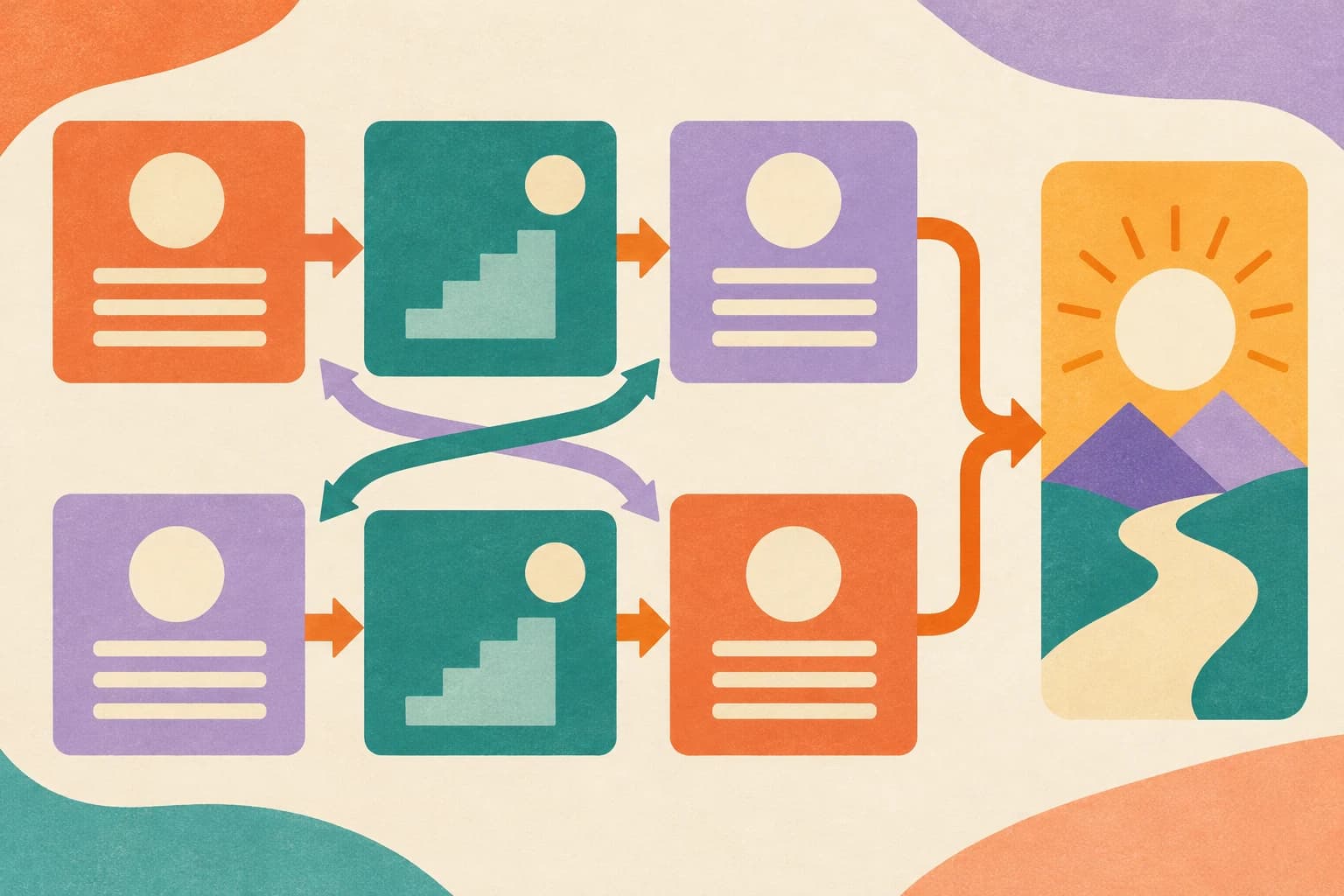
Conclude with what must be true before proceeding, who can approve, and what condition pauses or reverses the rollout. Record accepted residual risks and the person accountable for accepting them. Set a review point after launch to compare observed outcomes with assumptions. If the review ends with “risks noted,” no one knows whether the change is ready or what should happen next.
For the provider migration, the gate might require successful recovery exercises, tested support access, and agreement on a staged cohort. The sponsor could approve the first stage while retaining authority to pause expansion if the agreed sign-in or recovery signals worsen. The exact criteria belong to the organization and its risk owners. Record where the evidence lives and how affected users will be informed. Then revisit the map after the first stage, when observed behavior can replace some of the team’s hypotheses.
Map a risk scenario in Autodiagram from trigger to impact, control, owner, and pause decision. Keep sensitive incident information restricted and export a sanitized PNG for readiness review.