Decide what can safely be reused
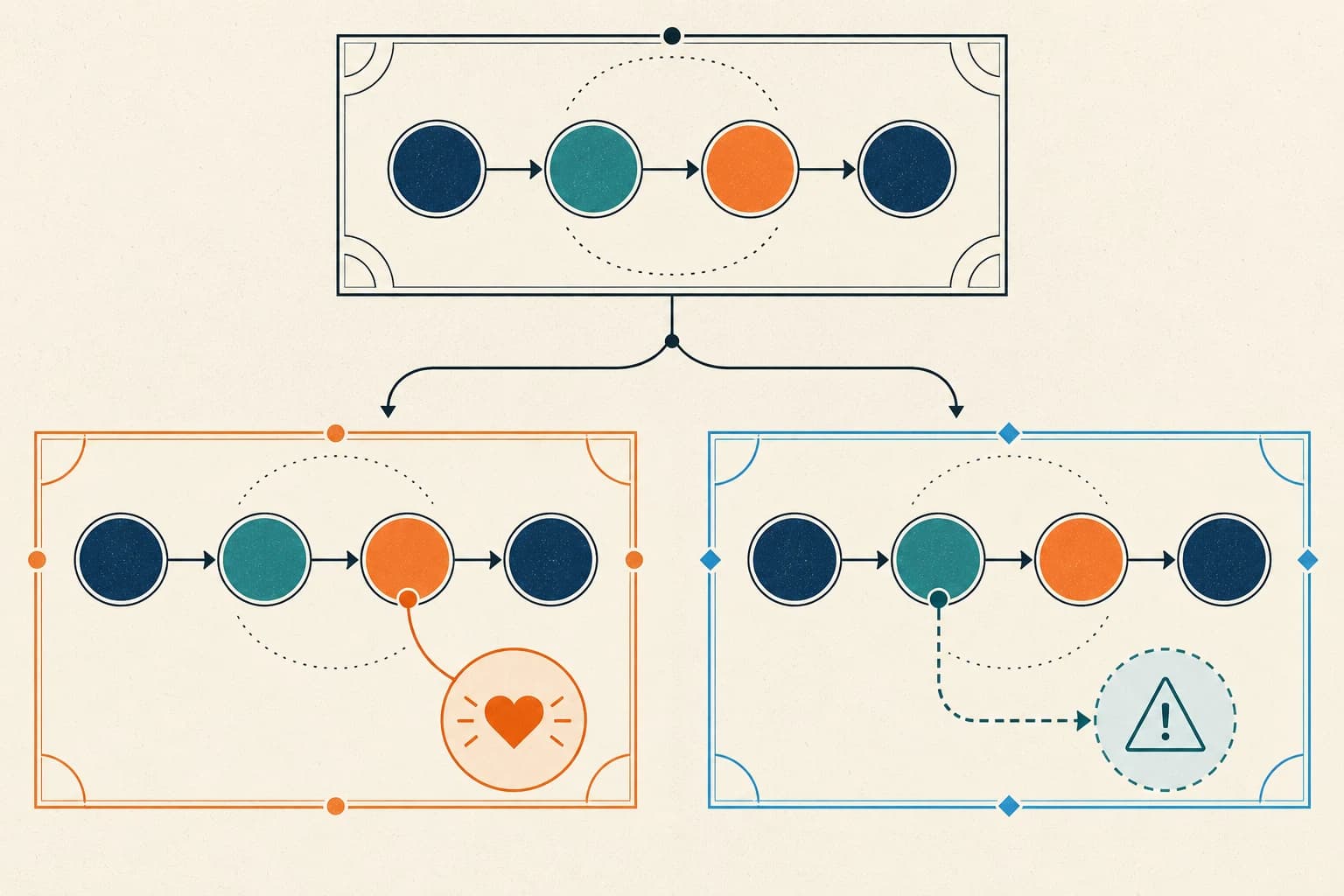
Duplicating a diagram can save time when a process or structure stays the same but readers need different context. A customer-facing overview may share the same stages as an internal operations map, but it should not carry internal escalation notes or unapproved commitments. Identify what is stable before creating the copy.
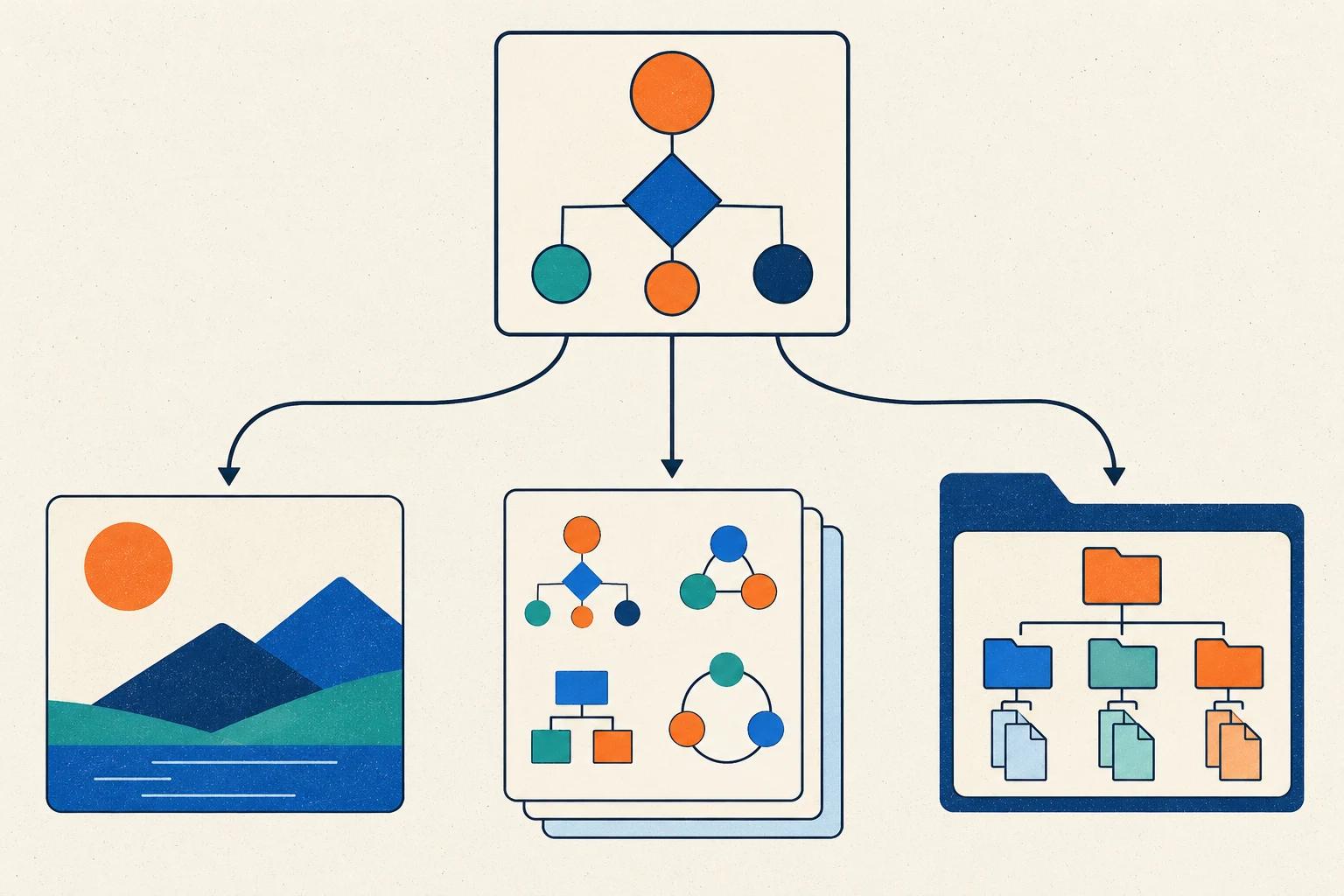
Use the duplicate shortcut or editor control on the selected diagram, then give the new frame a distinct title. Keep the original as the source version until the adaptation has been reviewed. If the content itself is still disputed, resolve it before making several variations that could drift apart.
Adapt the reader’s language
Internal shorthand often makes a poor customer explanation. Replace team acronyms with recognized role names, explain terms the new audience may not know, and include only the level of detail that helps them act. A diagram should not make readers decode your organization before they can understand the process.
For a delivery status workflow, an internal version may name a queue and a support tool. A customer version should explain when they will receive an update and what information they should provide. Keep the operational detail in the internal copy so the external version remains clear without exposing internal systems.
Review sensitive and audience-specific details
Check every note, identifier, and label for information that should not cross into the new version. A duplicate is a copy, so private context remains unless you remove it. This includes customer names, internal contact routes, unreleased dates, or a diagnostic note that is only appropriate for staff.
If the new audience needs a different action, update the route as well as the vocabulary. A team may need to escalate a case; a customer may need to reply with a reference number. Do not assume a simple wording change can turn an internal operating procedure into an external guide.
Give the copy its own ownership
Name who can approve changes to each version. If the source procedure changes, decide whether the customer explanation needs an update and who will make it. A duplicated frame does not inherit a live link to the original content, so differences can accumulate unless someone checks them.
Keep a short note in the board description or title about which version is internal and which is external. When both are exported, include enough context in filenames to prevent a colleague from sending the wrong one. A clear version boundary is part of responsible reuse.
Choose separate formats for each audience
An internal team may need the editable board or project JSON; an external audience may need a PNG, PDF, or read-only share link. The right format depends on whether recipients need to revise the content or simply follow it. Explain how they can ask for a correction if the information changes.
Before distributing the adapted diagram, ask someone from the intended audience to read it without your explanation. Confirm they understand the action and know which details apply to them. Reuse creates efficiency only when the copied artifact is accurate for its new context.