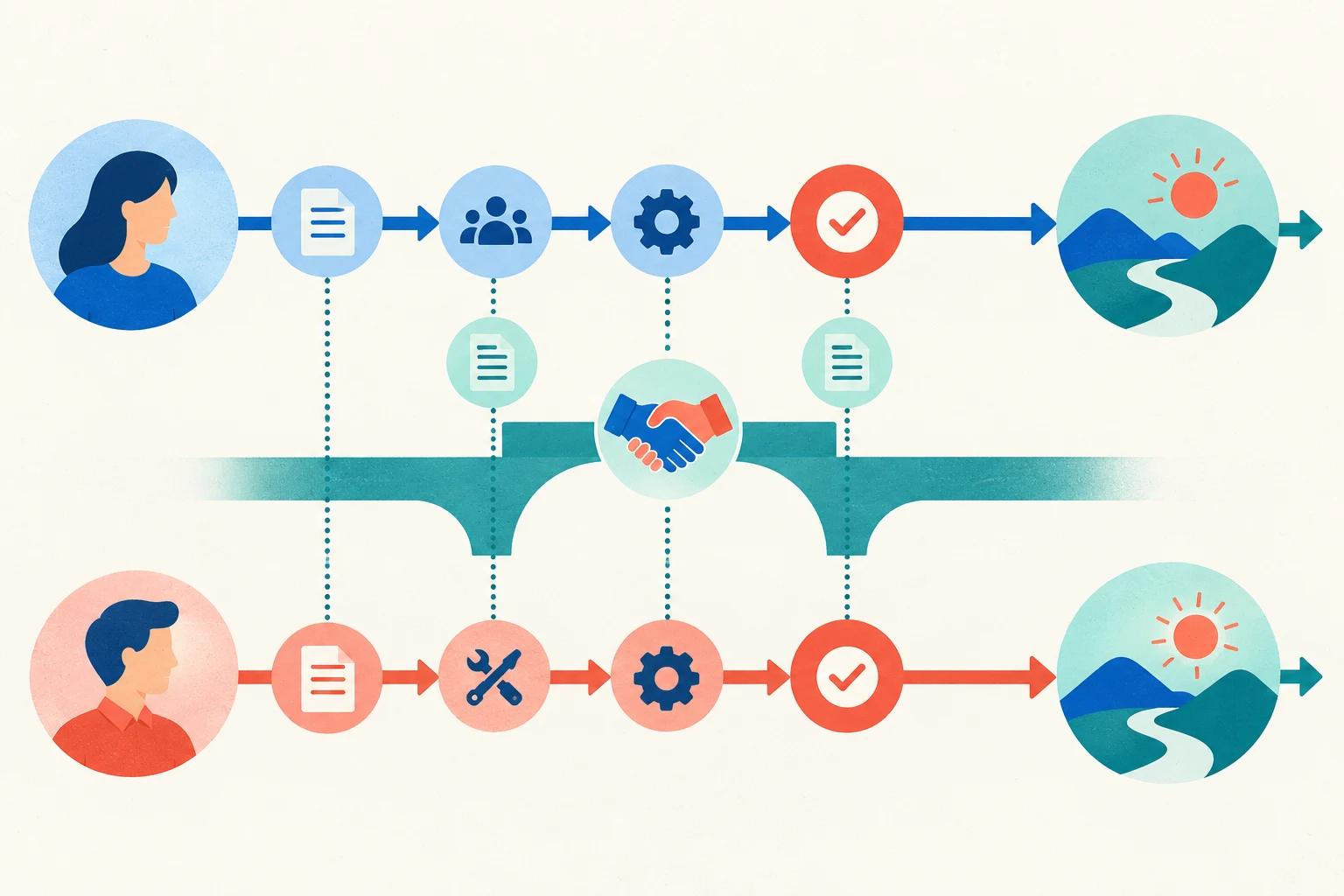
Select cases that need continuity
A shift handover should focus attention on cases where a new owner must act or preserve context. A list of every ticket duplicates the queue and hides urgency. Define which cases qualify: active customer impact, a promised update, a pending specialist response, a safety concern, or a time-sensitive operational step. The team’s actual coverage policy determines the criteria. Keep high-consequence cases in approved systems with appropriate access.
An open case involving a customer unable to submit orders may need a handover if a workaround is being monitored or a promised update falls during the next shift. A general how-to question with no pending action may remain in the queue without an individual handoff. This distinction makes the handover shorter and more useful. If the receiver sees only a wall of ticket identifiers, they cannot tell which case requires attention first or why it was selected.
Write a concise case snapshot
For each case, summarize customer impact, current state, last action, next action, owner, and relevant deadline or update promise. Link to the source record instead of copying long conversation histories. Distinguish what is confirmed from the working theory. Mention what the customer has already been told so the next agent does not contradict the message or ask them to repeat the same information.
For the order-submission case, the snapshot might say that one location is affected, a support engineer has reproduced the error, a safe workaround is in use, and the customer expects an update before their opening shift. The next step is to confirm whether a configuration change is approved. Avoid writing “probably a cache issue” unless a test supports it. A concise, factual summary gives the new owner enough to act and enough restraint to avoid overpromising.
Prioritize by the next event, not by anxiety
A handover should help the incoming shift decide what needs attention first. Use customer impact, time sensitivity, and reversibility. A case with a clear next check in two hours may outrank a more dramatic but stable issue. Explain the reason for priority and the condition that changes it. Avoid carrying every case as urgent because the outgoing agent worries that something could happen.
If the order error remains isolated and the workaround is reliable, the next critical event may be a diagnostic result from engineering. A separate case involving suspected duplicate charges may require earlier review even if fewer customers are affected. The shift lead can compare these conditions with the organization’s policy. The handover map should not invent a universal severity score; it should expose the evidence and next event that guide local prioritization.
Keep responsibility and customer updates explicit
When ownership transfers, name the receiving person or role and confirm they accepted the handover. Identify who sends the next customer message and what can be said. If the outgoing agent remains the relationship owner but is off shift, arrange a designated cover. A case should not depend on someone’s memory to deliver an important update after their working time ends.
The incoming agent might own the next technical check while a team lead owns the customer update. If those responsibilities differ, state both. Include the approved message or the key facts to convey, not a speculative root cause. If the expected update cannot be delivered, the new owner needs a route to reset expectations promptly. Clear responsibility supports both customers and employee boundaries by avoiding vague after-hours availability.
Protect privacy and sensitive incident details
A handover can expose more information than necessary if it copies customer records into a broad shift channel. Use the approved ticketing or incident system and link to access-controlled records. Share only the minimum identifiers the incoming team needs. Security, payment, health, or employment-related cases may have special handling requirements; follow the designated policy and keep investigative detail restricted.
If an account case includes identity documents, the shift note should not attach them unless the receiver needs access and the approved system allows it. The note can reference the restricted case and identify the privacy contact. For a suspected security incident, use the incident channel and preserve evidence according to policy. A fast handover does not justify bypassing controls. Make the safe route easy enough that staff do not create informal copies to save time.
Review handover quality and reduce repeated work
Ask the incoming shift whether the summary let them act and whether anything important was missing. Review cases where customers repeated themselves, promised updates were missed, or the new owner had to reconstruct the timeline. Use those examples to improve the handover fields. Do not make the template longer until you know which missing detail caused the problem.
If agents frequently lack the time of the last reproduction attempt, add it to the snapshot. If they cannot find the current owner, improve the ticket record rather than duplicating an ownership table in several places. Check whether the handover volume is manageable. When everything qualifies, the threshold may be too broad or the queue needs a different staffing model. A good handover protects continuity while keeping responsibility within the team’s actual working coverage.
Use Autodiagram for the reusable shift-handover structure: impact, current state, next action, owner, and deadline. Keep case data private and export an SVG for the support reference guide.