Define the behavior learners should demonstrate
A training plan should begin with a behavior someone can observe, not a broad topic label. “Understand incident response” is difficult to teach or assess. “Given an alert and a known customer impact, identify the escalation owner and prepare the required evidence packet” gives the instructor and learner a clear target. Choose a behavior that matters in the role and identify what a safe demonstration looks like before real work depends on it.
For a new account manager, the behavior might be preparing a renewal conversation that separates customer goals, confirmed usage, and open concerns. The lesson can then teach how to gather those inputs, practice an example, and receive feedback. Avoid making the objective so narrow that it becomes a memorized phrase disconnected from judgment. A learner should be able to explain why the action is appropriate and recognize when the situation falls outside the practiced case.
Sequence explanation and practice deliberately
People need enough explanation to act, but a long presentation can postpone the moment they discover what they do not understand. Break the session into short cycles: introduce one idea, demonstrate it in context, ask learners to try, then discuss the result. Show how each cycle builds toward a complete task. If a step depends on prior knowledge, surface that prerequisite and provide a refresher or alternate path rather than blaming the learner for a gap.
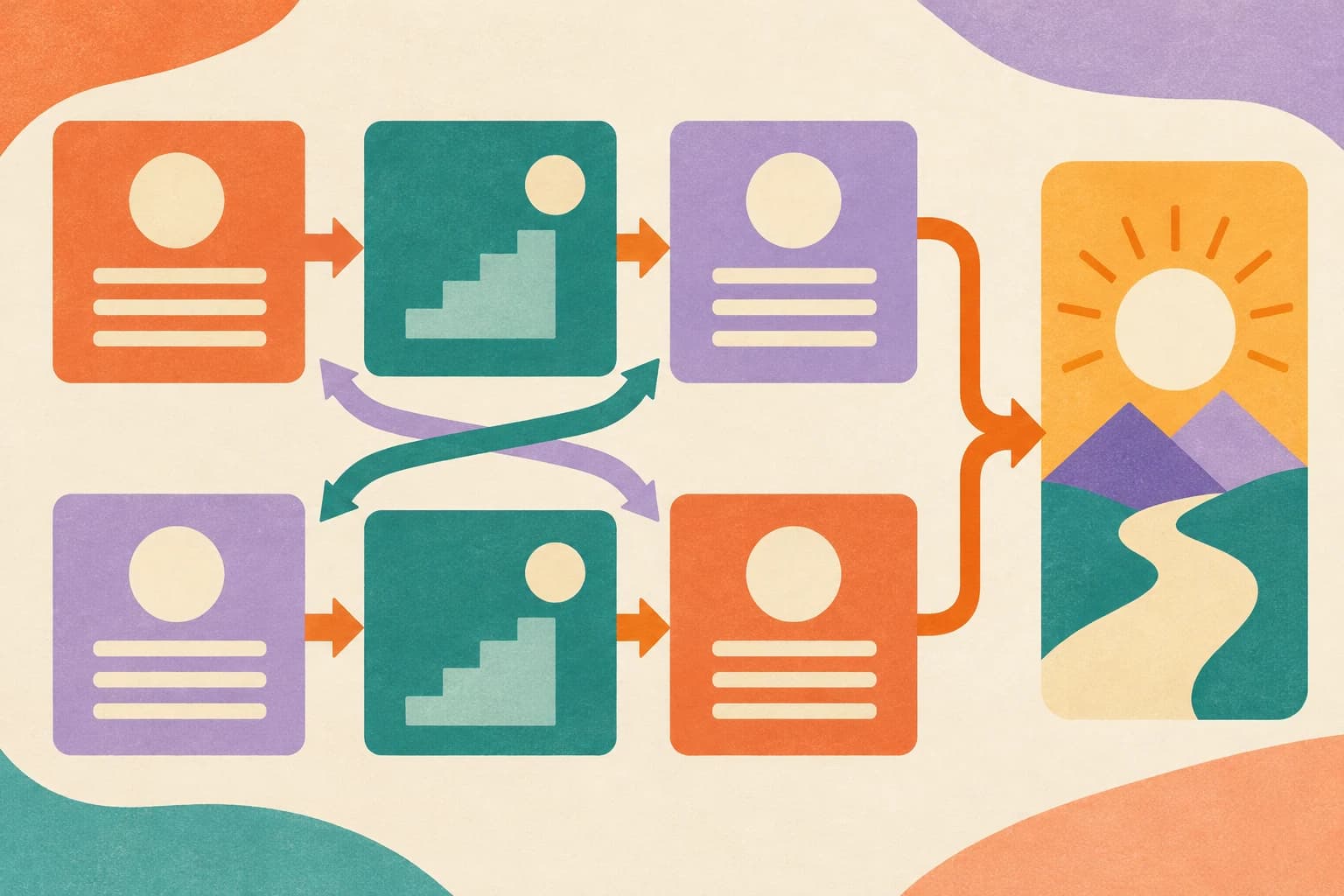
For escalation training, an instructor might first demonstrate how to summarize customer impact, then ask pairs to prepare a handoff from a fictional report, then review what evidence was missing. A later exercise can add a conflicting signal or an unavailable owner. Varying the scenario helps learners practice decisions instead of copying the instructor’s words. The map should show increasing complexity and where learners can pause for questions, not a rigid march through slides regardless of comprehension.
Use realistic practice with safe boundaries
Practice should resemble the decisions learners will face while keeping mistakes safe. Use fictional or sanitized data, controlled environments, and clear rules about what participants may change. A simulation is not permission to access live customer accounts or production systems. Explain what would happen differently in a real case and where learners can find the approved procedure. This boundary protects people and reinforces that training examples are simplified versions of operational work.
A support trainee might work through a mock case with incomplete details, decide what to ask next, and identify when to involve a specialist. The exercise should include a plausible ambiguity instead of an obvious answer. Ask the learner to describe their reasoning and what evidence could change their decision. This reveals whether they understand the judgment involved. If the exercise is too easy, it may create confidence without competence; if it is too complex, debrief the scenario into smaller decisions.
Give feedback tied to the target behavior
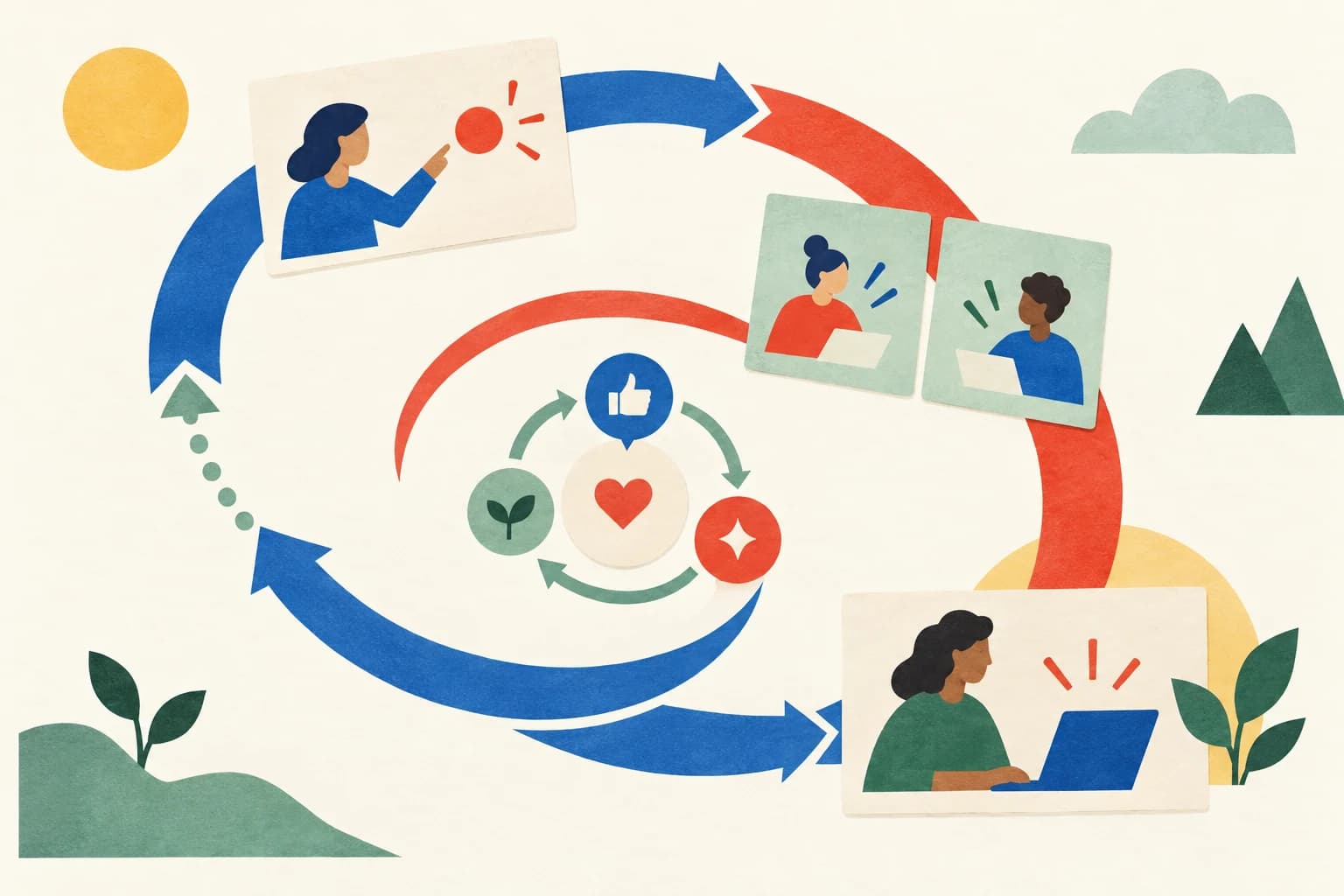
Useful feedback names the behavior, its effect, and a next attempt. “Good job” can encourage but does not explain what to repeat. “You included the reproduction steps, so the next person could begin testing; add the affected scope before you send it” gives the learner a specific adjustment. Make room for self-assessment first, then invite peers to offer observations using the same criteria.
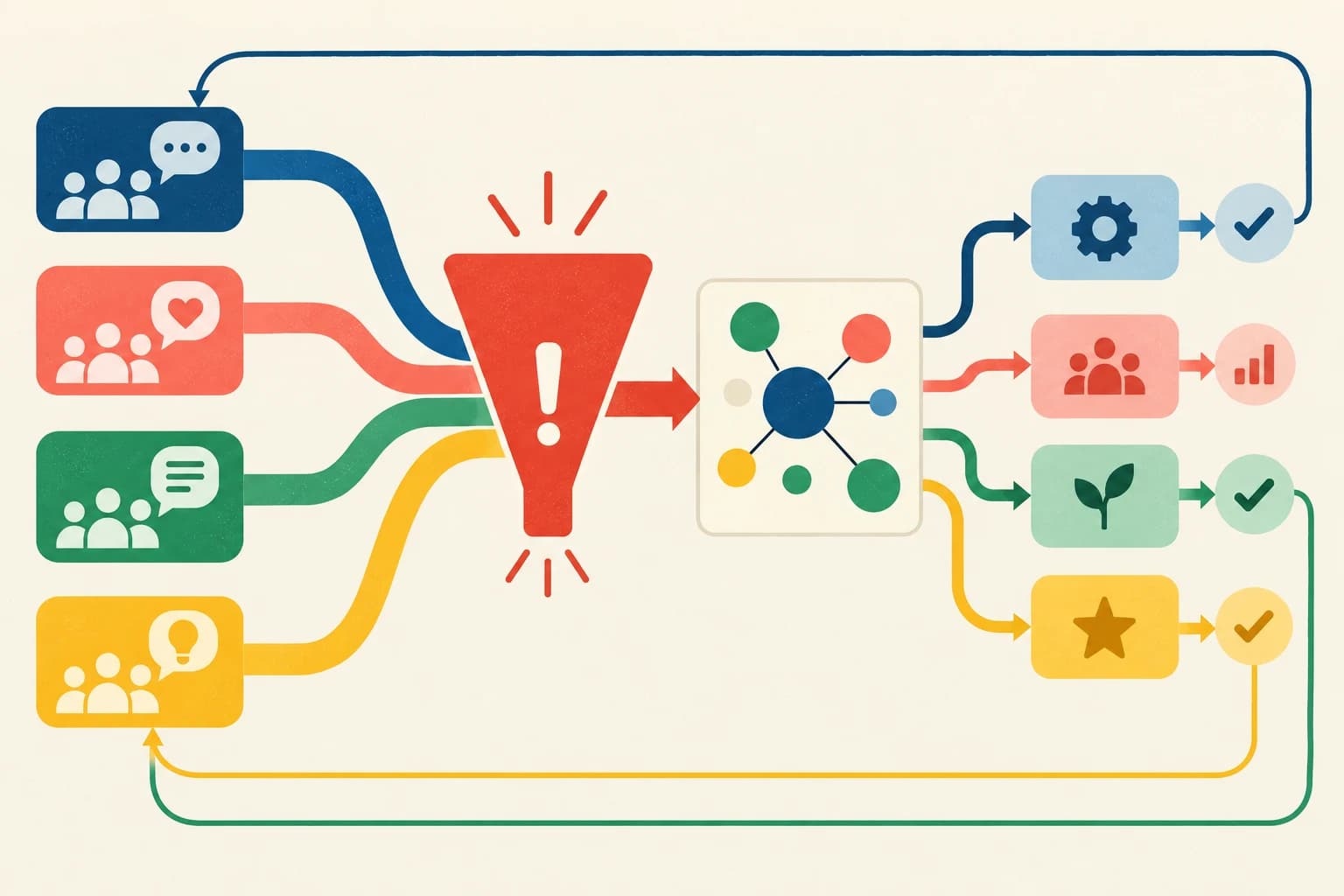
Avoid turning practice into public ranking unless the activity explicitly requires a fair and understood assessment. Learners may hide uncertainty if every mistake is treated as a mark against them. For safety-critical tasks, standards still matter; make the standard explicit and provide a route for additional practice before someone acts independently. The map can show feedback loops and remediation without implying that every person progresses at an identical speed. Record completion according to policy, but keep the learning conversation focused on demonstrated capability.
Connect the session to the workplace
Training often fades when learners cannot find the reference or support at the moment of use. Provide a job aid, a contact route, and a first-work opportunity that reinforces the behavior. Tell managers what they can observe and how to coach without taking over. If the skill depends on an unavailable tool or permission, make that dependency part of the plan. A course cannot compensate for a broken workflow or unclear authority.
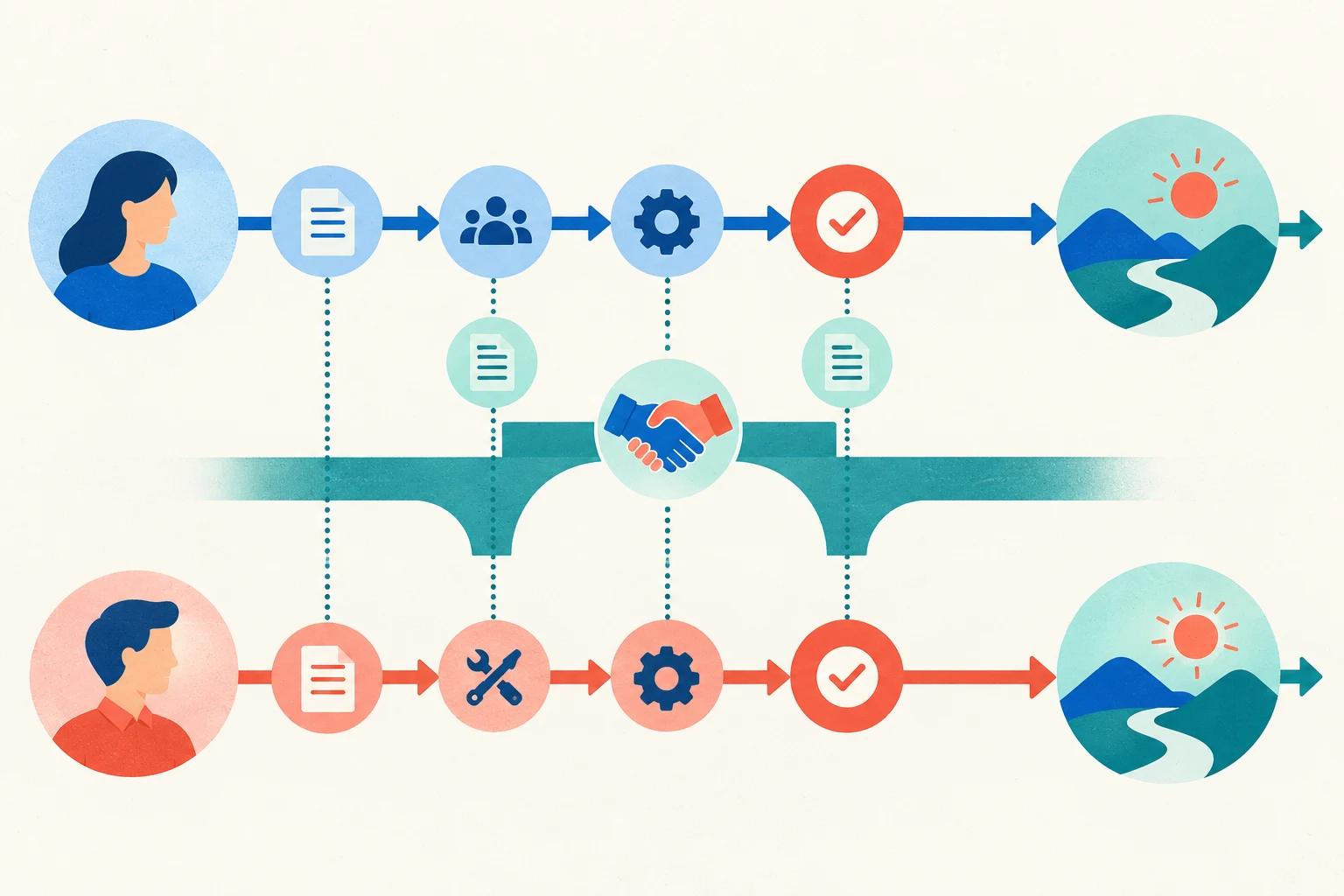
After the escalation exercise, a trainee might shadow an experienced teammate preparing a real but low-risk case, then lead a similar case with review. The mentor can observe the same behaviors used in class and discuss differences between the exercise and the live context. Avoid placing a learner alone in a high-consequence situation just to prove transfer. Use a staged path that increases responsibility as evidence supports it, and define who remains accountable during supervised practice.
Evaluate whether the training changed practice
Attendance and learner satisfaction describe the session, not necessarily what people can do afterward. Choose a follow-up check that fits the objective: review a work sample, observe a task, or ask a manager where the process remains confusing. Protect privacy and avoid collecting more data than necessary. If the behavior did not transfer, investigate whether the issue lies in instruction, opportunity to practice, tool access, workload, or a conflicting local policy.
Use the results to adjust the content and workplace conditions. If several learners forget the same handoff field, perhaps the job aid needs a clearer prompt. If they know the route but cannot find the escalation contact, the directory or staffing arrangement may be the actual problem. Keep the map current as procedures change and give it a review owner. Effective training is a connection between a taught skill and a supported action in real work, not simply a completed calendar event.
Autodiagram’s outline editor can show a learner’s path from explanation through practice, feedback, and supervised work. Indent skill branches and export a PNG for facilitator materials.