Choose a horizon that matches certainty
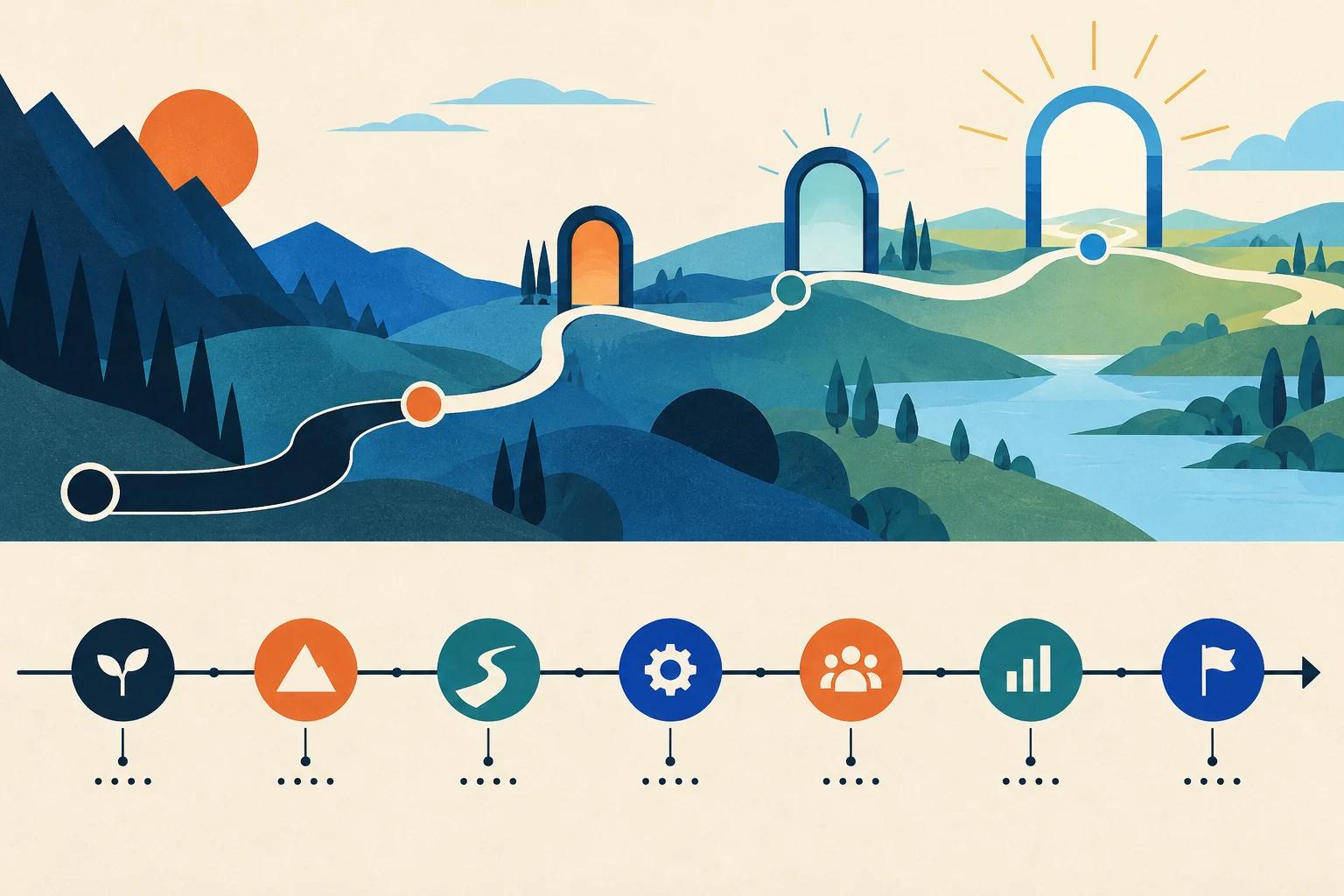
The free roadmap maker accepts phases such as Now, Next, Later, quarters, or months. Now, Next, Later is useful when the order matters but exact dates are uncertain. Quarters can help a team coordinate when there is enough planning confidence to show a calendar horizon.
A roadmap communicates direction and priority; it does not guarantee delivery. If a feature is only an exploration, label it accordingly. Avoid giving an uncertain idea an exact date simply because the layout has room for one.
Write one focus per phase
Use a short title and one line per phase with a clear focus. “Improve first-run setup” is more useful than “onboarding” because it tells readers what the team intends to change. Keep several related tasks beneath a larger phase only if the selected layout and description can show them without becoming crowded.
For a small software team, “Now: Fix account setup friction,” “Next: Add a shared template library,” and “Later: Explore deeper integrations” communicate different degrees of certainty. Use the same vocabulary consistently so stakeholders do not interpret “Later” as a promised quarter.
Select a roadmap layout
The tool offers a roadmap road, a timeline, and a zigzag arrangement. Preview each with your actual phase names. A road can make horizons feel like a journey; a timeline may be more familiar when dates matter; a zigzag can use space for longer phases.
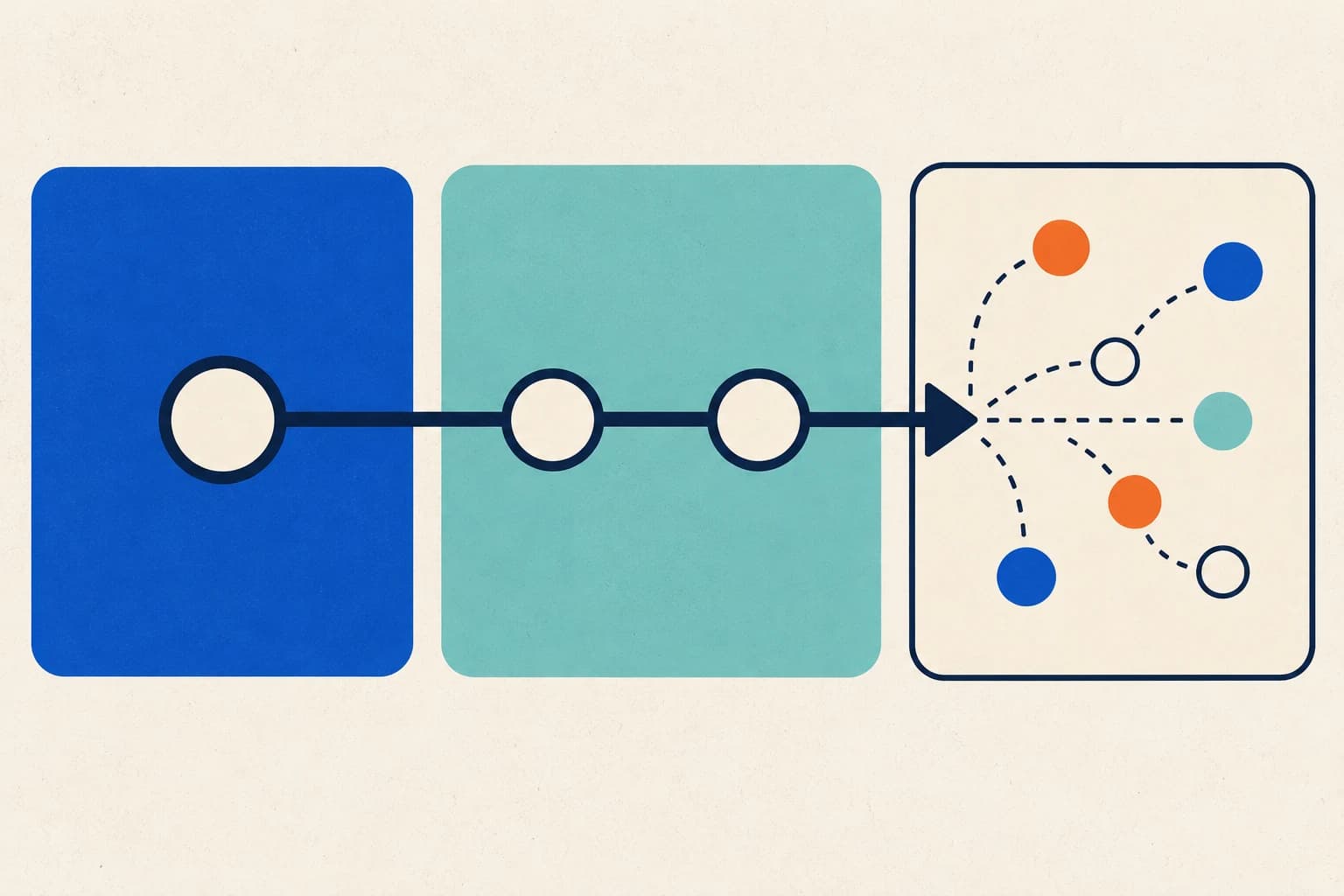
If the diagram contains dependencies or decision gates, a roadmap alone may not explain what must happen first. Keep a supporting process map or project plan for those details. Do not let the visual imply that a phase begins automatically when another ends if the team has a separate decision.
Make uncertainty visible
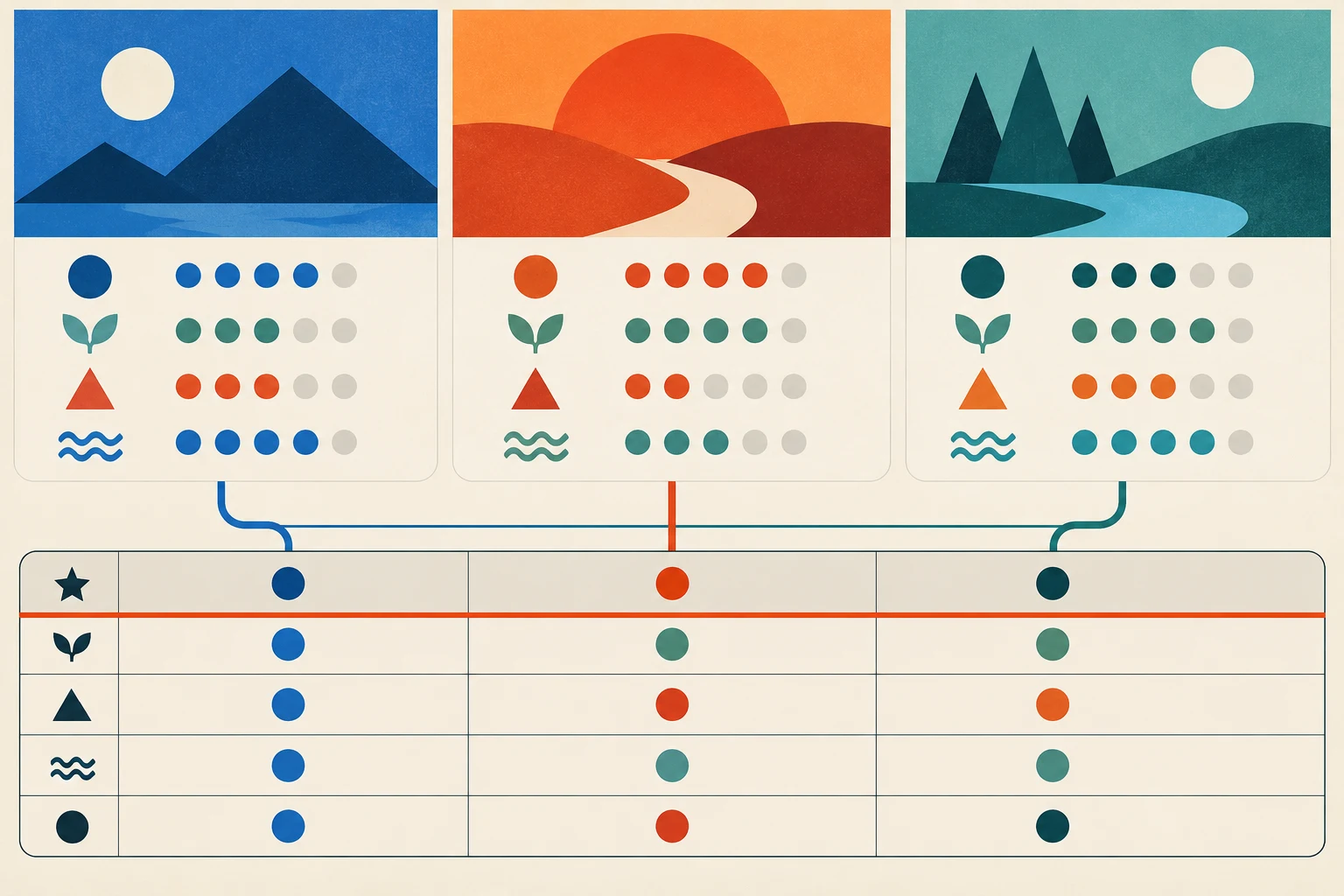
Use words such as “target,” “exploring,” or “under review” where certainty differs. Explain important dependencies in a short note, such as a decision that must happen before a planned phase can start. A roadmap that puts every item in a confident-looking column can create expectations the team cannot honor.
If a date is a commitment, identify the source and owner. If it is a forecast, state what could change it. Keep the distinction near the graphic, especially when it is shared with customers or leadership who may not know the planning process behind it.
Publish and revisit responsibly
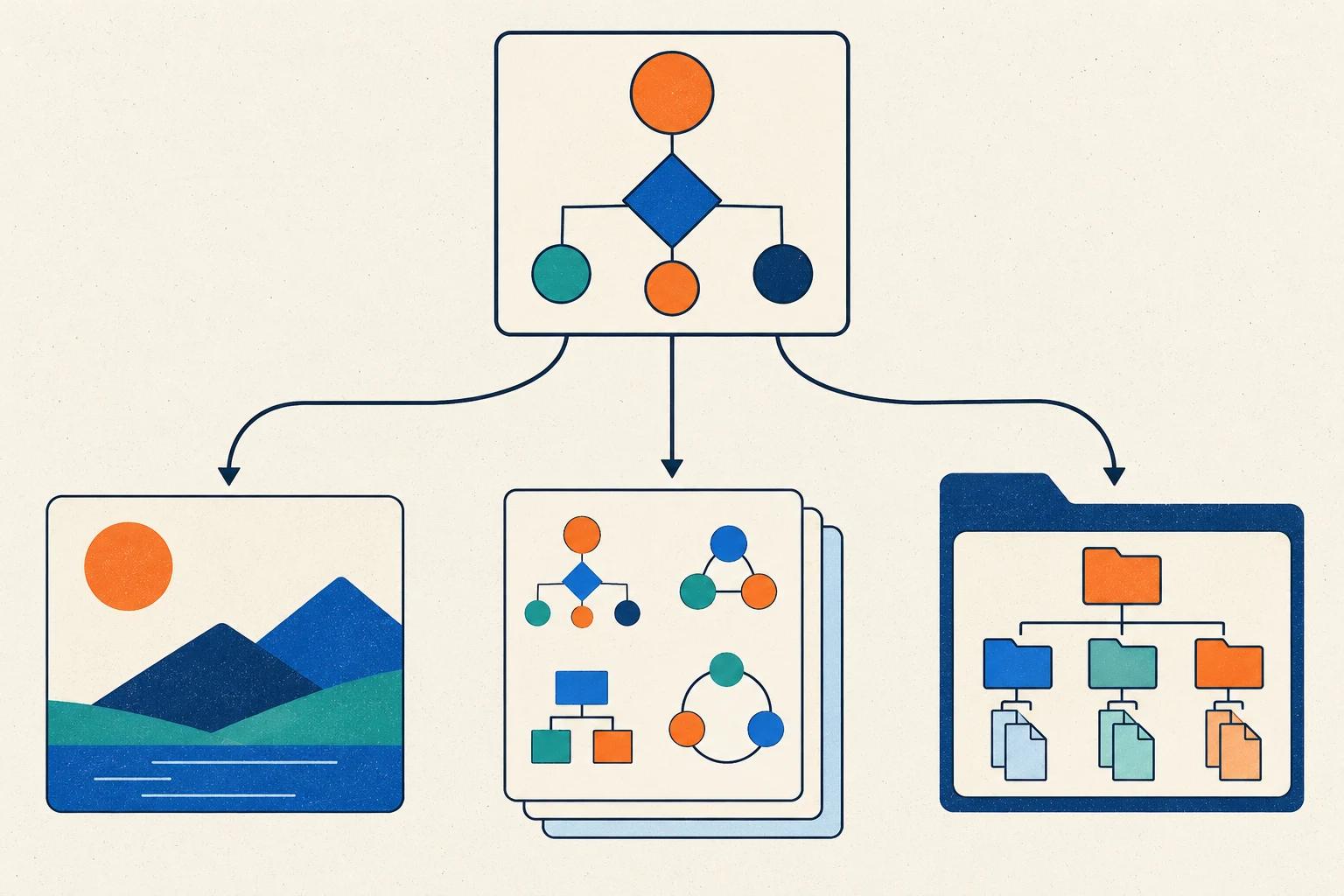
The no-signup roadmap tool can export PNG or SVG. Open the result in the editor when you need additional layouts or a board that can evolve with the plan. For multiple diagrams, arrange a board so a roadmap sits beside supporting evidence or release readiness views.
Review the roadmap when assumptions, capacity, or customer needs change. Update the diagram and replace any old copies that are still circulating. A roadmap earns trust when it is clear about its purpose and uncertainty, not when every phase is presented as fixed.